Hindu Vivah Sanskar
Introduction to hindu vivah sanskar
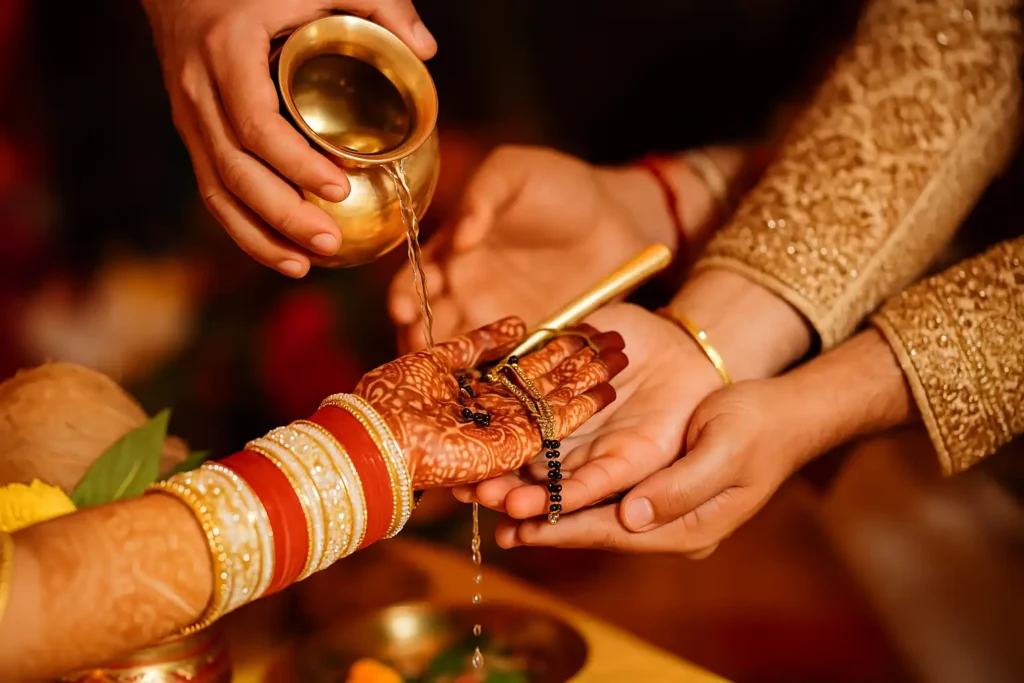
The sacred tradition of hindu vivah sanskar is among the most important samskaras in the Hindu belief system. As one of the sixteen purifying samskaras, it marks the divine union of two souls who vow to walk together through the journey of life. This ritual isn’t just a celebration—it’s a spiritual commitment to love, duty, and harmony.
Within the first 10% of this article, it’s essential to emphasize that hindu vivah sanskar reflects purity, blessings, and lifelong companionship in accordance with Vedic teachings.
Historical Importance of hindu vivah sanskar
Origins in Vedic Scriptures
The concept of marriage as a holy sacrament originated in ancient Vedic texts like the Rigveda and Atharvaveda. These scriptures highlight that marriage is not merely a social agreement but a sacred spiritual bond.
Evolution of Vivah Rituals Over Time
Over thousands of years, the rituals have evolved, blending Vedic principles with regional customs. Yet, the foundational elements—faith, unity, and commitment—remain unchanged.
Core Principles of hindu vivah sanskar
Dharma, Artha, Kama & Moksha
The marriage ritual supports these four pillars of life, ensuring balance and order.
Spiritual Unity of Bride and Groom
The couple promises to walk together as equal partners, sharing both joys and responsibilities.
Essential Pre-Wedding Rituals
Roka & Engagement
These ceremonies confirm the intention of marriage between both families.
Ganesh Puja
Performed to remove obstacles and bless the marriage journey.
Haldi & Mehndi
Symbolic of purity, protection from evil, and joyous celebration.
The Main Ceremony of hindu vivah sanskar
Jaimala
The bride and groom exchange garlands, signifying mutual acceptance.
Kanyadaan
A deeply emotional moment where parents give their daughter in marriage.
Havan
A sacred fire ceremony invoking divine blessings.
Pheras
The couple takes seven rounds around the holy fire, each representing a promise.
Saptapadi
The seven vows form the heart of the marriage ritual.
Post-Wedding Ceremonies
Vidaai
The bride bids farewell to her family.
Griha Pravesh
She is welcomed into her new home with sacred rituals.
Significance of Agni in hindu vivah sanskar
Agni (fire) acts as the divine witness to the marriage, symbolizing purity, transformation, and spiritual presence.
Role of the Pandit
A trained Vedic priest guides the ceremony, ensuring every mantra and step is performed according to tradition.
Required Samagri
Traditional Items
Coconut, rice, turmeric, kumkum, ghee, flowers, and havan kund.
Modern Accessories
Microphones, seating decor, and floral arrangements.
Benefits of hindu vivah sanskar
Spiritual Benefits
Strengthens the bond between partners and aligns them with cosmic harmony.
Social & Emotional Benefits
Promotes unity, understanding, and emotional connection within families.
Cost & Arrangements
The cost varies based on region, pandit offerings, and arrangements but generally includes samagri, mandap setup, and Dakshina.
Top Misconceptions
Many assume the ritual is too rigid or outdated, but the truth is, the Vedic marriage system is adaptable, timeless, and meaningful.
FAQs about hindu vivah sanskar
1. What is the meaning of hindu vivah sanskar?
It refers to the sacred Vedic marriage ceremony uniting two individuals spiritually and socially.
2. Why are the seven pheras important?
Each phera represents a vow that strengthens the bond for a lifetime.
3. Can non-Hindus participate?
They may attend, but the rituals are traditionally performed for Hindu couples.
4. What is the role of Agni?
Agni is the divine witness to the vows and symbolizes purity and truth.
5. How long does the ceremony take?
Typically 2–3 hours depending on customs.
6. Is hindu vivah sanskar legally valid?
Yes, when performed with proper documentation as per marriage laws.